مركز اليونسكو الإقليمي للجودة والتميز في التعليم يطلق مشروع التقييم الإقليمي لتحصيل الطلبة في الدول العربية ويعقد الاجتماع الأول للجنة الإشرافية للمشروع

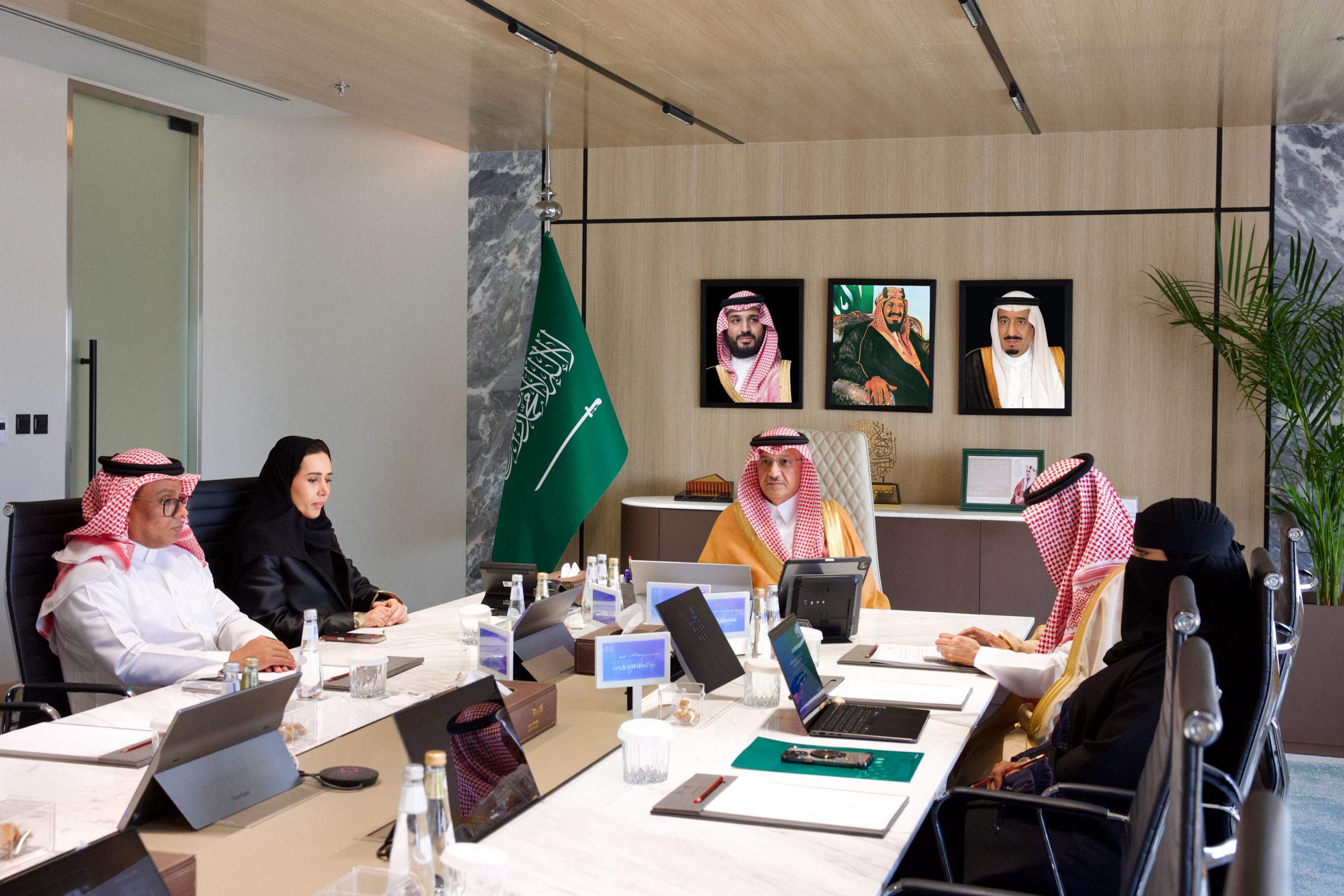
أطلق مركز اليونسكو الإقليمي للجودة والتميز في التعليم مشروع التقييم الإقليمي لتحصيل الطلبة في الدول العربية، وذلك خلال الاجتماع الأول للجنة الإشرافية العليا للمشروع، الذي عُقد يوم الخميس 18 يونيو 2026م، برئاسة معالي وزير التعليم في المملكة العربية السعودية، رئيس مجلس إدارة المركز، الأستاذ يوسف بن عبدالله البنيان، وبمشاركة أصحاب المعالي والسعادة وزراء التعليم، ورؤساء الهيئات والمنظمات الوطنية والإقليمية والدولية أعضاء اللجنة الإشرافية.
وتضم اللجنة الإشرافية للمشروع عددًا من أصحاب المعالي والسعادة وزراء التعليم في الدول العربية، إلى جانب رؤساء وممثلين رفيعي المستوى من منظمات إقليمية ودولية متخصصة، من بينها المنظمة العربية للتربية والثقافة والعلوم «الألكسو»، ومنظمة العالم الإسلامي للتربية والعلوم والثقافة «الإيسيسكو»، ومنظمة التعاون الاقتصادي والتنمية «OECD»، والهيئة الدولية لتقييم التحصيل التربوي«IEA»، إضافة إلى لجان وفرق فرعية متخصصة منبثقة عنها، وجهات شريكة إقليمية ودولية، من بينها معهد اليونسكو للإحصاء«UIS»، ومركز آسيا والمحيط الهادئ للتربية من أجل التفاهم الدولي التابع لليونسكو «APCEIU».
ويأتي إطلاق هذا المشروع بوصفه أحد المخرجات الرئيسة لـ«منظومة أدوات ومقاييس تقييم الجودة التعليمية» للمركز، وامتدادًا لجهوده في دعم الدول العربية لتطوير أدوات قياس موثوقة تسهم في تحسين نواتج التعلم، وتعزيز جودة التعليم، ودعم صناعة السياسات التعليمية القائمة على البيانات والأدلة.
ويهدف المشروع إلى تطوير مقياس عربي لقياس تقدم الطلبة في الدول العربية في مهارات القراءة والعلوم والرياضيات، والمواطنة والقيم الإنسانية المشتركة والذكاء الاصطناعي، إضافة إلى المهارات الرقمية والحياتية، بما يتوافق مع احتياجات الدول العربية وخصوصيتها الثقافية، وبما يواكب المعايير والتوجهات الدولية في التقييمات واسعة النطاق. كما يهدف المشروع إلى بناء قاعدة بيانات عربية، وتطوير منصة إلكترونية تسهم في دراسة حالة جودة التعليم في الدول العربية، وتصميم بنك فقرات اختبارية يمكن أن تستفيد منه الدول في بناء اختباراتها الوطنية واسعة النطاق.
وفي كلمته الترحيبية، عبّر سعادة مدير عام مركز اليونسكو الإقليمي للجودة والتميز في التعليم، الدكتور عبدالرحمن بن إبراهيم المديرس، عن بالغ اعتزازه بحضور أصحاب المعالي والسعادة ومشاركتهم القيمة في الاجتماع الأول للجنة الإشرافية لمشروع التقييم الإقليمي لتحصيل الطلبة في الدول العربية، مؤكدًا أن هذا المشروع يُعد في المركز أحد أهم المبادرات الاستراتيجية التي يعمل على تنفيذها بالشراكة مع الدول العربية الشقيقة والمنظمات الإقليمية والدولية.
وأوضح سعادته أن اجتماع اللجنة يجسد روح التعاون الفاعل، ويعكس حرص الجميع على دعم الجهود الرامية إلى الارتقاء بجودة التعليم، وتعزيز قدرته على الاستجابة لمتطلبات التنمية، ومواكبة التوجهات العالمية في التقييمات الدولية واسعة النطاق.
وأشار الدكتور المديرس إلى أن المركز حرص، منذ تأسيسه، على أن يكون منصة إقليمية موثوقة تسهم في تطوير السياسات التعليمية، ودعم ممارسات الجودة والتميز، وتوفير الأدوات والمعايير التي تساعد الدول العربية على تحسين مخرجات التعليم. ويأتي هذا المشروع ليكون خطوة نوعية في هذا الاتجاه، من خلال بناء منظومة عربية مشتركة للتقييم، تسهم في توفير بيانات دقيقة، وتدعم صانع القرار، وتفتح آفاقًا جديدة لتطوير المناهج، ورفع كفاءة المعلمين، وتحسين بيئات التعلم، بما يدعم تحقيق مستهدفات الهدف الرابع من أهداف التنمية المستدامة 2030، الرامي إلى ضمان التعليم الجيد المنصف والشامل، وتعزيز فرص التعلم مدى الحياة للجميع.
وبيّن سعادته أن المشروع يرتبط بالهدف الاستراتيجي الثالث من أهداف المركز، والمتعلق بدعم ممارسات الجودة والتميز، وبالمشروع الاستراتيجي للمركز «منظومة أدوات ومقاييس تقييم الجودة التعليمية»، نحو تحقيق أهداف التنمية المستدامة 2030، مشيرًا إلى أن المشروع جاء وفق عدد من المبررات، من أبرزها الإسهام في تحقيق مؤشرات الهدف الرابع من أهداف التنمية المستدامة 2030، حيث يتطلب هذا الهدف تضافر الجهود بين الدول العربية لتطوير استراتيجيات فعالة تعزز جودة التعليم، وتحقق نتائج إيجابية في التصنيفات العالمية.
كما أشار سعادته إلى قرارات مجلس إدارة مركز اليونسكو الإقليمي للجودة والتميز في التعليم، ومنها ما ورد في الاجتماع الرابع الذي عُقد بتاريخ 29/12/2019م، والمتضمن التأكيد على أهمية وضع معايير عربية لتحسين نتائج الدول العربية في التصنيفات العالمية، إضافة إلى قرار مجلس الإدارة التاسع رقم 6/ب بتاريخ 21/10/2024م باعتماد وثيقة المشروع، وقرار مجلس الإدارة الحادي عشر رقم 5/أ بتاريخ 31/12/2025م باعتماد قرار اللجنة الإشرافية.
وأوضح سعادته أن من مبررات المشروع أيضًا دعم مبادرات الدول العربية لتعزيز جودة نتائجها في التصنيفات الدولية، حيث تُعد المبادرات الهادفة إلى تعزيز جودة التعليم في الدول العربية ضرورية لتحقيق نتائج إيجابية في التصنيفات الدولية، بما يتطلب استراتيجيات واضحة وموارد كافية لدعم تطوير المناهج، وتدريب المعلمين، وتحسين البنية التحتية التعليمية.
كما أكد أهمية عمليات التقييم الإقليمية واسعة النطاق، باعتبارها أداة ضرورية لرسم سياسات التعليم وتعزيز جودته على المستوى الإقليمي، إذ يمكن من خلالها للدول العربية الحصول على بيانات دقيقة وموثوقة تساعد في تحديد نقاط القوة والضعف في أنظمتها التعليمية.
وأضاف أن المشروع يستجيب لاحتياجات الدول العربية، وما تم رصده من حاجة إلى بيانات ومؤشرات وأدلة موثوقة تستند إلى أدوات تقييم تتوافق مع المواصفات العالمية، وتتناسب مع طبيعة وسياسات المنطقة العربية، بما يسهم في تطوير جودة الأنظمة التعليمية، ويعزز جاهزيتها للمستقبل والتنافسية العالمية، ويدعم الإسهام في تطوير السياسات العالمية بما يتناسب مع خصوصية المنطقة العربية واحتياجاتها الدقيقة، ويضمن تحقيق أهداف التنمية المستدامة 2030 بشكل فعال.
وأكد الدكتور المديرس أن وجود أصحاب المعالي والسعادة في هذه اللجنة الإشرافية يمثل مصدر قوة لهذا المشروع، ودليلًا على التزام الدول العربية بالعمل المشترك وبناء مستقبل تعليمي يليق بطموحات شعوبها، مشيرًا إلى أن المركز يثمن عاليًا دعمهم، ويؤكد استعداده الكامل لتوفير كل ما يلزم لإنجاح أعمال اللجنة وتحقيق الأهداف التي يتطلع إليها الجميع.
وبهذه المناسبة، توجه سعادة مدير عام المركز بخالص الشكر والتقدير إلى حكومة المملكة العربية السعودية بقيادة خادم الحرمين الشريفين الملك سلمان بن عبدالعزيز آل سعود، وسمو ولي العهد رئيس مجلس الوزراء الأمير محمد بن سلمان بن عبدالعزيز آل سعود ـ حفظهما الله ـ على الدعم اللامحدود للجودة والتميز في التعليم على المستويات الوطنية والإقليمية والدولية، وحرصهما الدائم على دعم جودة التعليم.
كما تقدم سعادته بالشكر لمعالي وزير التعليم في المملكة العربية السعودية، رئيس مجلس إدارة المركز، الأستاذ يوسف بن عبدالله البنيان، على دعمه المستمر ومتابعته الحثيثة لتحقيق أثر ملموس في برامج ومشاريع المركز.
وفي ختام كلمته، أكد الدكتور المديرس أن من دواعي الشرف افتتاح الاطلاق الرسمي للمشروع والاجتماع للجنة الإشرافية العليا الوزارية بكلمة معالي وزير التعليم، رئيس مجلس إدارة المركز، الذي كان ولا يزال داعمًا رئيسًا لهذا المشروع، وموجهًا لمساره، ومؤمنًا بأهمية بناء منظومة عربية رائدة في مجال التقييمات التعليمية، مرحبًا بمعاليه باسم جميع المشاركين، ومثمنًا رعايته ودعمه، ومتطلعًا إلى توجيهاته السديدة.
وفي كلمة الافتتاح والإطلاق الرئيسة، رحب معالي وزير التعليم، الأستاذ يوسف بن عبدالله البنيان، رئيس مجلس إدارة المركز، بأعضاء اللجنة الإشرافية لمشروع التقييم الإقليمي لتحصيل الطلبة في الدول العربية، مؤكدًا أن هذا المشروع يمثل خطوة مهمة لتعزيز جودة التعليم في المنطقة، ودعم الجهود الرامية إلى تحقيق مستهدفات الهدف الرابع من أهداف التنمية المستدامة.
وأشار معاليه إلى أن مركز اليونسكو الإقليمي للجودة والتميز في التعليم يعمل، من خلال دوره الإقليمي، على دعم الدول العربية في تطوير أدوات ومعايير تسهم في تحسين نواتج التعلم، ورفع جاهزية الأنظمة التعليمية للمشاركة الفاعلة في التقييمات الدولية، مبينًا أن المشروع يأتي استجابة لحاجة واضحة إلى بيانات دقيقة وأدوات قياس موثوقة تساعد صانع القرار في تطوير السياسات التعليمية.
وأكد معاليه أن مجلس إدارة المركز أكد أهمية هذا التوجه، وضرورة بناء إطار عربي مشترك للتقييم، ينسجم مع أولويات الدول، ويركز على جودة المخرجات، مشيرًا إلى أن تشكيل اللجنة الإشرافية يمثل خطوة أساسية لضمان تنفيذ المشروع بكفاءة، وتوجيه مساره بما يحقق أهدافه.
وأضاف معاليه أن نجاح هذا المشروع يعتمد على خبرات أعضاء اللجنة، وعلى العمل المشترك بين الدول المشاركة والمركز، معربًا عن ثقته بأن هذا التعاون سيسهم في بناء نموذج مهني وعملي في مجال التقييمات التعليمية، قائم على البيانات، ويستجيب لمتطلبات التطوير في الأنظمة التعليمية العربية.
من جانبه، ثمّن رئيس اللجنة الإشرافية، معالي وزير التربية والتعليم ووزير التعليم العالي والبحث العلمي في المملكة الأردنية الهاشمية، الأستاذ الدكتور عزمي محافظة، الثقة بتكليفه رئيسًا للجنة الإشرافية للمشروع، موجهًا شكره لرئيس مجلس إدارة المركز، ومؤكدًا أن هذا المشروع الطموح ينطلق برؤية مشتركة تهدف إلى الارتقاء بمنظومة التعليم في العالم العربي، ويجسد الجهود الجماعية المشتركة مع مركز اليونسكو الإقليمي للجودة والتميز في التعليم لبناء نظام تعليمي يتسم بالجودة ومواكبة المعايير العالمية.
وأكد معاليه أن هذا المشروع ليس مجرد أداة قياس عابرة، بل ركيزة استراتيجية تهدف إلى وضع مؤشرات وبيانات دورية وعلمية موثوقة، تمكّن صناع القرار في العالم العربي من رسم السياسات التعليمية القائمة على الأدلة، وتطوير المناهج، وتجويد عمليات التعلم بشكل مستدام.
وأشاد معاليه بما تم تحقيقه حتى الآن، حيث استكمل المشروع بنجاح جميع مراحله التأسيسية والإعدادية، بما في ذلك صياغة وإعداد الوثيقة المرجعية، والإطارين المفاهيمي والمنهجي، وإنجاز الدراسات المكتبية المقارنة إقليميًا ودوليًا، وتحكيمها واعتمادها من اللجنة العلمية. كما تم تشكيل الفريق المركزي للمشروع واستئناف أعمال اللجنة الفنية، بما يمثل انتقالًا حاسمًا ومباشرًا من مرحلة التخطيط والإعداد إلى المرحلة التنفيذية الفعلية للبناء والتصميم.
وأشار معاليه إلى أنه رغم هذه الجاهزية وهذا التقدم الملموس على مسار الخطط المعتمدة، إلا أن المشروع يقف أمام تحديات ميدانية حقيقية تتطلب وقفة حازمة وتنسيقًا عاجلًا، وتتمثل أبرز هذه التحديات في بطء عمليات ترشيح وتشكيل فرق العمل الوطنية، إضافة إلى ضعف تطبيق المعايير المحددة لاختيار هذه الفرق، وهو الأمر الذي قد يؤثر على جودة التنفيذ والالتزام بالجدول الزمني المحدد للمشروع.
وشدد معاليه على أن نجاح هذا التقييم الإقليمي الشامل يرتكز في مقامه الأول على عمق التبني الوطني والالتزام المشترك، والذي يستهدف خدمة 22 دولة عربية، وبناء مقياس موحد لمهارات القراءة والعلوم والرياضيات والمواطنة والمهارات الحياتية للفئة العمرية 12 عامًا.
ودعا معاليه الجميع، وبخاصة وزارات التربية والتعليم في الدول العربية، إلى رفع فاعلية الاستجابة الفورية لعمليات الترشيح، وتسريع إجراءات تشكيل الفرق الوطنية وفقًا للمعايير الفنية المعتمدة، لضمان جودة البيانات وموثوقيتها، وضمان الانتقال السلس للخطوات المقبلة.
وقدّمت مساعد مدير عام مركز اليونسكو الإقليمي للجودة والتميز في التعليم، الدكتورة فاطمة بنت إبراهيم رويس، عرضًا موجزًا عن المشروع، تضمن التعريف بمشروع التقييم الإقليمي لتحصيل الطلبة في الدول العربية بوصفه أحد المخرجات الرئيسة لـ«منظومة أدوات ومقاييس تقييم الجودة التعليمية»، واستعرض مبررات دعم المشروع، وفي مقدمتها الإسهام في تحقيق مؤشرات الهدف الرابع من أهداف التنمية المستدامة 2030، ودعم مبادرات الدول العربية لتعزيز جودة نتائجها في التصنيفات الدولية، وتأكيد أهمية عمليات التقييم الإقليمية واسعة النطاق في تطوير سياسات تعليمية قائمة على الأدلة، والاستجابة لاحتياجات الدول العربية إلى بيانات ومؤشرات وأدلة موثوقة تستند إلى أدوات تقييم تتوافق مع المواصفات العالمية.
كما تناول العرض أهداف المشروع الرامية إلى تعزيز مهارات الطلبة في الدول العربية، ومواكبة التوجهات الدولية في مهارات القراءة والرياضيات والعلوم والمواطنة والقيم والذكاء الاصطناعي، وتطوير مقياس عربي لقياس تقدم الطلبة، بما يلبي الحاجات المستقبلية ويتوافق مع خصوصية الدول العربية واحتياجاتها الثقافية، إلى جانب التعاون والتكامل مع المنظمات الإقليمية والدولية والهيئات ذات العلاقة بالتحصيل والتقييم، وبناء قاعدة بيانات عربية، وتطوير منصة إلكترونية تسهم في دراسة حالة جودة التعليم في الدول العربية، وتنظيم لقاءات متعددة الأطراف لنقل الخبرات في مجال التقويم ومعاييره الدولية، وتصميم بنك فقرات اختبارية في المواد المستهدفة وفق معايير الجودة، ونشر تقارير دورية عن حالة جودة التعليم في الدول العربية.
واستعرضت الدكتورة فاطمة رويس ما تحقق حتى الآن في المشروع، بما في ذلك إعداد الوثيقة المرجعية والإطارين المفاهيمي والمنهجي، وإنجاز الدراسات المكتبية ودراسة المقارنة على المستويين الإقليمي والدولي، وتحكيمها واعتمادها من اللجنة العلمية، إلى جانب انطلاق الفريق العلمي في وضع الخطوط المرجعية للفقرات الاختبارية.
كما تضمن العرض الخطوات القادمة للمشروع، والتي تتمثل، بعد صدور اعتماد قرار اللجنة الإشرافية الداعم لتشكيل الفرق الوطنية، في مخاطبة وزارات التربية والتعليم في الدول العربية لترشيح الفرق الوطنية وفق معايير محددة تضمن جودة التنفيذ، بما يمثل انتقالًا حاسمًا من مرحلة الإعداد إلى مرحلة التنفيذ، ويعزز جاهزية الدول للمشاركة، ويضمن مواءمة الإجراءات مع سياقات الدول وأفضل الممارسات المعتمدة في التقييمات واسعة النطاق.
وتطرقت مساعد مدير عام المركز إلى الخطة الزمنية المعدلة للمشروع الممتدة حتى ديسمبر 2027م، والتي تشمل مرحلة التهيئة والإعداد، ومرحلة التخطيط لبناء الاختبار، ومرحلة التصميم والبناء، ومرحلة التطبيق، ثم مرحلة التعلم والابتكار، إضافة إلى استعراض مخرجات المشروع الرئيسة، ومن أبرزها الإطار الفكري، والدراسة المكتبية والمقارنة، وملامح تطوير أدوات تقييم مهارات الطلبة على المستوى الإقليمي، وأطر تقييم المباحث المستهدفة، والإطار العملي التطبيقي الشامل للتقييم، والدليل التفسيري الشامل، وبنك الأسئلة والمنصة الإلكترونية لتقديم الاختبارات للطلبة في المدارس العربية، وآليات ضمان نجاح تطبيق التقييم على المستويين المحلي والإقليمي.
كما استعرض العرض مؤشرات الأثر المتوقعة، ومن بينها استفادة 22 دولة عربية، والشراكة مع 6 جهات إقليمية ودولية، واستهداف الطلبة في الفئة العمرية 12 عامًا، وقياس نتائج اكتساب المهارات والممارسات. وتناول كذلك الشراكات والتعاون الدولي مع وزارات التعليم في الدول العربية والمنظمات والجهات الشريكة، ومنها الألكسو، والإيسيسكو، ومنظمة التعاون الاقتصادي والتنمية، والهيئة الدولية لتقييم التحصيل التربوي، ومعهد اليونسكو للإحصاء، ومركز آسيا والمحيط الهادئ للتربية من أجل التفاهم الدولي.
وتضمن العرض الذي قدمته مساعد مدير عام المركز توضيح الأدوار المأمولة من اللجنة الإشرافية والدول العربية الأعضاء، حيث يتمثل الدور المأمول من اللجنة الإشرافية في توفير القيادة الاستراتيجية والغطاء السياسي للمشروع، واعتماد أطره ومخرجاته، ومتابعة جودة التنفيذ، وتعزيز التنسيق بين الدول والمنظمات الشريكة، ودعم تعبئة الموارد والخبراء، واعتماد النتائج والتوصيات.
كما استعرضت الدور المأمول من الدول العربية الأعضاء الـ22، والمتمثل في تأكيد المشاركة الرسمية، وتشكيل الفرق الوطنية المؤهلة، وتوفير البيانات مع المحافظة على سريتها التامة وخصوصيتها، والمساهمة في بناء أدوات التقييم، وتنفيذ التطبيق التجريبي والميداني وفق المعايير الموحدة، وضمان جودة البيانات، ثم توظيف النتائج في تطوير السياسات والمناهج وتحسين تعلم الطلبة.
وأشارت إلى أبرز التحديات والمخاطر المتوقعة، ومنها ضعف الاستجابة لبعض عمليات الترشيح وتأخر تشكيل الفرق الوطنية، وتفاوت القدرات الفنية والتقنية بين الدول، ومخاطر ضعف تطبيق معايير اختيار الفرق الوطنية، وضعف الالتزام بالمتطلبات المنهجية لتطبيق التقييم، إلى جانب خطط المعالجة المقترحة، وفي مقدمتها تعزيز الدعم من وزارات التربية والتعليم، والمتابعة المباشرة مع نقاط الاتصال الوطنية، وتقديم دعم فني موجه وورش تدريبية للدول ذات الجاهزية الأقل، وتوفير بدائل تقنية مرنة، وإرسال دليل معايير واضح، ومراجعة الترشيحات قبل قبولها، وصياغة أدلة تفصيلية للعمليات المتعلقة بتمرير الاختبارات وتصحيحها، وتدريب الفرق ومرافقتها أثناء التطبيق.
واختتمت الدكتورة فاطمة رويس العرض باستعراض خطة الفترة القادمة، والتي تشمل الإعلان الرسمي وتقرير الاجتماع، وتشكيل الفرق الوطنية خلال الأسبوعين الأول والثاني من يوليو وفق المعايير، وانطلاق عملية تصميم الأدوات في الأسبوع الثالث من يوليو 2026م، والتجريب والتطبيق الميداني في عينة من الدول العربية خلال شهر أكتوبر 2026م، وصولًا إلى تطبيق التقييم الإقليمي في الأسبوع الأخير من شهر أبريل 2027م، وإصدار الملخص التنفيذي للدورة الأولى متضمنًا تقرير النتائج.
كما استعرضت أبرز التوصيات، التي ركزت على تأكيد المشاركة في الدورة الأولى من مشروع التقييم الإقليمي لتحصيل الطلبة في الدول العربية، تمهيدًا للشروع في الإجراءات الفنية والتنظيمية، وتسريع إجراءات تسمية الفريق الوطني المشارك استنادًا إلى الهيكل المعتمد لتنفيذ التقييم، والذي سيتولى إدارة عمليات التطبيق في كل دولة، بما يشمل المنسق الوطني ومدير البيانات، وذلك وفقًا للمتطلبات الواردة في «بطاقة المتطلبات التقنية وتشكيل الفرق الوطنية» التي ستكون مرفقة في خطابات طلب المشاركة والترشيح، بما يتيح للمركز تنظيم ورش العمل التي سيتطلب من الفرق الوطنية المشاركة فيها استعدادًا للتطبيق.
وأكدت التوصيات أهمية تسهيل مهمة الفريق الوطني ودعمه بالكوادر البشرية والمتطلبات الفنية والتقنية المطلوبة، بما يسهم في استكمال المتطلبات الأولية اللازمة للمشروع في المرحلة التنفيذية، ويعزز جاهزية الدول العربية للمشاركة الفاعلة في تطبيق التقييم الإقليمي وفق أعلى معايير الجودة والموثوقية.
ويأتي هذا الاجتماع ليؤكد أهمية الحوكمة الفاعلة للمشروع، ودور اللجنة الإشرافية في توجيه أعماله، ودعم مراحله التنفيذية، وتعزيز التكامل بين المركز والدول العربية والمنظمات الإقليمية والدولية الشريكة، بما يسهم في بناء تقييم إقليمي عربي موثوق، يعزز جودة التعليم، ويدعم نواتج التعلم، ويمكّن صناع القرار من تطوير سياسات تعليمية قائمة على الأدلة، ومتصلة بأولويات التنمية في الدول العربية.
وفي ختام أعمال الاجتماع، أكد المركز تطلعه إلى دعم اللجنة الإشرافية الموقرة في استكمال المتطلبات الأولية اللازمة للمشروع في مرحلته التنفيذية، بما يضمن الانتقال المنظم من مرحلة الإعداد إلى مرحلة التطبيق، ويعزز فرص نجاح المشروع بوصفه مبادرة عربية استراتيجية تسهم في بناء منظومة تقييم تعليمية موثوقة، تدعم جودة التعليم، وتواكب التوجهات الإقليمية والدولية في قياس نواتج التعلم وتحسينها.
UNESCO Regional Center for Quality and Excellence in Education Launches the Regional Assessment of Student Achievement in Arab Countries and Holds the First Meeting of the Project’s Supervisory Committee
The UNESCO Regional Center for Quality and Excellence in Education launched the Regional Assessment of Student Achievement in Arab Countries project during the first meeting of the project’s Higher Supervisory Committee, held on Thursday, 18 June 2026. The meeting was chaired by H.E. the Minister of Education of the Kingdom of Saudi Arabia and Chairman of the Center’s Board of Directors, Mr. Yousef bin Abdullah Al-Benyan, with the participation of Their Excellencies Ministers of Education, and heads of national, regional and international bodies and organizations who are members of the Supervisory Committee.
The project’s Supervisory Committee includes a number of Their Excellencies and distinguished Ministers of Education in Arab countries, along with senior leaders and representatives of specialized regional and international organizations, including the Arab League Educational, Cultural and Scientific Organization (ALECSO), the Islamic World Educational, Scientific and Cultural Organization (ICESCO), the Organisation for Economic Co-operation and Development (OECD), and the International Association for the Evaluation of Educational Achievement (IEA). It also includes specialized subcommittees and technical teams, as well as regional and international partner entities, including the UNESCO Institute for Statistics (UIS) and the Asia-Pacific Centre of Education for International Understanding under the auspices of UNESCO (APCEIU).
The launch of this project comes as one of the key outputs of the Center’s “System of Tools and Measures for Assessing Educational Quality”, and as an extension of its efforts to support Arab countries in developing reliable assessment tools that contribute to improving learning outcomes, enhancing the quality of education, and supporting evidence- and data-based educational policymaking.
The project aims to develop an Arab assessment measure to evaluate students’ progress in Arab countries in reading, science and mathematics, citizenship, shared human values and artificial intelligence, in addition to digital and life skills. This measure is intended to align with the needs of Arab countries and their cultural specificities, while keeping pace with international standards and trends in large-scale assessments. The project also aims to build an Arab database, develop an electronic platform that contributes to studying the state of education quality in Arab countries, and design a bank of test items that countries can use in building their national large-scale assessments.
In his welcoming remarks, H.E. Dr. Abdulrahman bin Ibrahim Al-Mudaires, Director-General of the UNESCO Regional Center for Quality and Excellence in Education, expressed his deep appreciation for the attendance and valuable participation of Their Excellencies and distinguished members in the first meeting of the Supervisory Committee for the Regional Assessment of Student Achievement in Arab Countries. He emphasized that the project is one of the Center’s most important strategic initiatives, implemented in partnership with sister Arab countries and regional and international organizations.
He stated that the Committee’s meeting embodies the spirit of effective cooperation and reflects the shared commitment to supporting efforts aimed at advancing the quality of education, enhancing its responsiveness to development requirements, and keeping pace with global trends in large-scale international assessments.
Dr. Al-Mudaires noted that, since its establishment, the Center has been keen to serve as a trusted regional platform that contributes to the development of educational policies, supports quality and excellence practices, and provides tools and standards that help Arab countries improve educational outcomes. This project, he explained, represents a qualitative step in this direction through the establishment of a shared Arab assessment system that provides accurate data, supports decision-makers, and opens new horizons for curriculum development, teacher capacity enhancement and the improvement of learning environments, thereby supporting the achievement of Sustainable Development Goal 4, which aims to ensure inclusive and equitable quality education and promote lifelong learning opportunities for all.
He further explained that the project is linked to the Center’s third strategic objective, which focuses on supporting quality and excellence practices, and to the Center’s strategic project, the “System of Tools and Measures for Assessing Educational Quality”, in support of the achievement of the Sustainable Development Goals 2030. He indicated that the project is based on several key justifications, most notably contributing to the achievement of SDG 4 indicators, as this goal requires concerted efforts among Arab countries to develop effective strategies that enhance the quality of education and achieve positive results in global rankings.
Dr. Al-Mudaires also referred to the decisions of the Center’s Board of Directors, including the decision made at its fourth meeting, held on 29 December 2019, which emphasized the importance of developing Arab standards to improve the results of Arab countries in global rankings. He also referred to Board Decision No. 6/B dated 21 October 2024, approving the project document, and Board Decision No. 5/A dated 31 December 2025, approving the decision to establish the Supervisory Committee.
He noted that one of the project’s justifications is also to support Arab countries’ initiatives to enhance the quality of their results in international rankings. Such initiatives, he stated, are essential for achieving positive outcomes in international classifications and should include clear strategies and adequate resources to support curriculum development, teacher training and the improvement of educational infrastructure.
He also underscored the importance of regional large-scale assessment processes as essential tools for shaping education policies and enhancing education quality at the regional level. Through such processes, Arab countries can obtain accurate and reliable data that help identify the strengths and weaknesses of their education systems.
He added that the project responds to the needs of Arab countries and to the identified need for reliable data, indicators and evidence based on assessment tools that comply with international standards and suit the nature and policies of the Arab region. This will contribute to improving the quality of education systems, strengthening their readiness for the future and global competitiveness, and supporting contribution to global policy development in ways that reflect the specificity and precise needs of the Arab region, thereby ensuring the effective achievement of the Sustainable Development Goals 2030.
Dr. Al-Mudaires affirmed that the presence of Their Excellencies and distinguished members in the Supervisory Committee constitutes a source of strength for the project and a clear indication of Arab countries’ commitment to joint action and to building an educational future worthy of the aspirations of their peoples. He emphasized that the Center highly values their support and is fully prepared to provide all that is required to ensure the success of the Committee’s work and the achievement of the shared objectives.
On this occasion, the Director-General of the Center extended his sincere thanks and appreciation to the Government of the Kingdom of Saudi Arabia, under the leadership of the Custodian of the Two Holy Mosques, King Salman bin Abdulaziz Al Saud, and His Royal Highness the Crown Prince and Prime Minister, Prince Mohammed bin Salman bin Abdulaziz Al Saud — may Allah protect them — for their unlimited support for quality and excellence in education at the national, regional and international levels, and for their continuous commitment to supporting education quality.
He also expressed his appreciation to H.E. the Minister of Education of the Kingdom of Saudi Arabia and Chairman of the Center’s Board of Directors, Mr. Yousef bin Abdullah Al-Benyan, for his continued support and close follow-up to achieve tangible impact through the Center’s programs and projects.
At the conclusion of his remarks, Dr. Al-Mudaires stated that it was an honor to open the meeting with an address by H.E. the Minister of Education and Chairman of the Center’s Board of Directors, who has been and continues to be a key supporter of the project, a guide for its direction, and a strong believer in the importance of building a leading Arab system in the field of educational assessments. He welcomed H.E. the Minister on behalf of all participants, expressed appreciation for his patronage and support, and looked forward to his valuable guidance.
In his main opening and launch address, H.E. the Minister of Education, Mr. Yousef bin Abdullah Al-Benyan, Chairman of the Center’s Board of Directors, welcomed the members of the Supervisory Committee for the Regional Assessment of Student Achievement in Arab Countries. He emphasized that the project represents an important step toward enhancing the quality of education in the region and supporting efforts aimed at achieving the targets of Sustainable Development Goal 4.
H.E. noted that the UNESCO Regional Center for Quality and Excellence in Education, through its regional role, supports Arab countries in developing tools and standards that contribute to improving learning outcomes and enhancing the readiness of education systems for effective participation in international assessments. He explained that the project responds to a clear need for accurate data and reliable measurement tools that support decision-makers in developing educational policies.
H.E. further affirmed that the Center’s Board of Directors has emphasized the importance of this direction and the need to build a shared Arab framework for assessment that aligns with countries’ priorities and focuses on the quality of outcomes. He noted that the formation of the Supervisory Committee represents a fundamental step toward ensuring the efficient implementation of the project and guiding its course in a manner that achieves its objectives.
He added that the success of the project depends on the expertise of the Committee members and on joint work among participating countries and the Center, expressing his confidence that this cooperation will contribute to building a professional and practical model in the field of educational assessments, one that is data-based and responsive to the development needs of Arab education systems.
For his part, H.E. Professor Azmi Mahafzah, Minister of Education and Minister of Higher Education and Scientific Research of the Hashemite Kingdom of Jordan and Chair of the Supervisory Committee, expressed his appreciation for the trust placed in him to chair the project’s Supervisory Committee. He extended his thanks to the Chairman of the Center’s Board of Directors and affirmed that this ambitious project is launched with a shared vision aimed at advancing the education system across the Arab world. He noted that it embodies collective efforts with the UNESCO Regional Center for Quality and Excellence in Education to build an education system characterized by quality and alignment with global standards.
H.E. affirmed that the project is not merely a temporary measurement tool, but rather a strategic pillar aimed at developing reliable periodic and scientific indicators and data that enable decision-makers in the Arab world to formulate evidence-based educational policies, develop curricula and improve learning processes in a sustainable manner.
He commended the progress achieved so far, noting that the project has successfully completed all its foundational and preparatory phases, including the drafting and development of the reference document, the conceptual and methodological frameworks, and the completion of comparative desk studies at the regional and international levels, which were reviewed and approved by the Scientific Committee. He also noted that the central project team has been formed and the work of the technical committee has resumed, marking a decisive and direct transition from the planning and preparation phase to the actual implementation phase of development and design.
H.E. pointed out that despite this readiness and tangible progress within the approved plans, the project currently faces real field-level challenges that require firm action and urgent coordination. The most prominent of these challenges are the slow pace of nominating and forming national teams, and the weak application of the criteria set for selecting these teams, which may affect the quality of implementation and adherence to the project timeline.
He stressed that the success of this comprehensive regional assessment rests primarily on deep national ownership and shared commitment. The project targets 22 Arab countries and aims to build a unified measure for reading, science, mathematics, citizenship and life skills for the 12-year-old age group.
H.E. called on all stakeholders, particularly the ministries of education in Arab countries, to strengthen immediate responsiveness to nomination processes and accelerate the formation of national teams in accordance with the approved technical criteria, in order to ensure data quality and reliability and guarantee a smooth transition to the next steps.
Dr. Fatimah bint Ibrahim Roais, Assistant Director-General of the Center, delivered a brief presentation on the project. The presentation introduced the Regional Assessment of Student Achievement in Arab Countries as one of the key outputs of the “System of Tools and Measures for Assessing Educational Quality”. It reviewed the justifications for supporting the project, foremost among them contributing to the achievement of SDG 4 indicators, supporting Arab countries’ initiatives to improve the quality of their results in international rankings, emphasizing the importance of regional large-scale assessments in developing evidence-based educational policies, and responding to Arab countries’ need for reliable data, indicators and evidence based on assessment tools aligned with international standards.
The presentation also addressed the project’s objectives, which include enhancing students’ skills in Arab countries, keeping pace with international trends in reading, mathematics, science, citizenship, values and artificial intelligence, and developing an Arab measure to assess students’ progress in a way that meets future needs and aligns with the specificities and cultural requirements of Arab countries. It also highlighted cooperation and integration with regional and international organizations and bodies concerned with achievement and assessment, building an Arab database, developing an electronic platform that contributes to studying the state of education quality in Arab countries, organizing multilateral meetings to exchange expertise in assessment and its international standards, designing a test item bank in the targeted subjects according to quality standards, and publishing periodic reports on the state of education quality in Arab countries.
Dr. Roais reviewed the progress achieved so far, including the preparation of the reference document and the conceptual and methodological frameworks, the completion of desk studies and comparative studies at the regional and international levels, their review and approval by the Scientific Committee, and the launch of the scientific team’s work to develop the reference guidelines for test items.
The presentation also outlined the project’s next steps. Following the approval of the Supervisory Committee’s decision supporting the formation of national teams, the next step will be to address ministries of education in Arab countries to nominate national teams according to specific criteria that ensure implementation quality. This represents a decisive transition from the preparation phase to the implementation phase, strengthens countries’ readiness to participate, and ensures alignment of procedures with country contexts and with best practices adopted in large-scale assessments.
The Assistant Director-General also addressed the revised project timeline extending until December 2027, which includes the preparation and readiness phase, the test-development planning phase, the design and development phase, the implementation phase, and the learning and innovation phase. She also reviewed the project’s main outputs, most notably the conceptual framework, the desk and comparative study, preliminary features for developing tools to assess students’ skills at the regional level, assessment frameworks for the targeted subjects, the comprehensive practical implementation framework for the assessment, the explanatory guide, the question bank and electronic platform for delivering tests to students in Arab schools, and mechanisms to ensure successful implementation of the assessment at both local and regional levels.
The presentation further reviewed the expected impact indicators, including the participation of 22 Arab countries, partnership with six regional and international entities, targeting students in the 12-year-old age group, and measuring the results of skills and practices acquisition. It also addressed international partnerships and cooperation with ministries of education in Arab countries and partner organizations and entities, including ALECSO, ICESCO, OECD, IEA, UIS and APCEIU.
The presentation delivered by the Assistant Director-General also clarified the expected roles of the Supervisory Committee and the Arab member states. The expected role of the Supervisory Committee is to provide strategic leadership and political support for the project, approve its frameworks and outputs, monitor implementation quality, enhance coordination among countries and partner organizations, support the mobilization of resources and experts, and approve results and recommendations.
The presentation also reviewed the expected role of the 22 Arab member states, which includes confirming official participation, forming qualified national teams, providing data while fully preserving its confidentiality and privacy, contributing to the development of assessment tools, implementing the pilot and field application according to unified standards, ensuring data quality, and subsequently using the results to develop policies and curricula and improve student learning.
Dr. Roais also referred to the key expected challenges and risks, including weak responsiveness to some nomination processes and delays in forming national teams, varying technical and technological capacities among countries, risks related to weak application of the criteria for selecting national teams, and weak commitment to the methodological requirements for implementing the assessment. She also presented proposed mitigation plans, foremost among them strengthening support from ministries of education, direct follow-up with national focal points, providing targeted technical support and training workshops for countries with lower readiness, offering flexible technical alternatives, sending a clear criteria guide, reviewing nominations before acceptance, developing detailed manuals for test administration and scoring procedures, and training and accompanying teams during implementation.
Dr. Roais concluded the presentation by reviewing the plan for the upcoming period, which includes the official announcement and meeting report, the formation of national teams during the first and second weeks of July according to the criteria, the launch of the tool design process in the third week of July 2026, piloting and field implementation in a sample of Arab countries during October 2026, the implementation of the regional assessment in the last week of April 2027, and the issuance of the executive summary for the first cycle, including the results report.
She also reviewed the key recommendations, which focused on confirming participation in the first cycle of the Regional Assessment of Student Achievement in Arab Countries in preparation for commencing the technical and organizational procedures; accelerating the nomination of the participating national team in accordance with the approved structure for implementing the assessment, which will manage the implementation processes in each country, including the national coordinator and data manager; and ensuring alignment with the requirements stated in the “Technical Requirements and National Team Formation Card”, which will be attached to the participation and nomination request letters. This will enable the Center to organize workshops in which national teams will be required to participate in preparation for implementation.
The recommendations also emphasized the importance of facilitating the work of the national team and supporting it with the required human resources and technical and technological requirements. This will contribute to completing the initial requirements necessary for the project in its implementation phase and enhance the readiness of Arab countries to participate effectively in the regional assessment according to the highest standards of quality and reliability.
The meeting reaffirmed the importance of effective project governance and the role of the Supervisory Committee in guiding its work, supporting its implementation phases, and enhancing integration among the Center, Arab countries, and regional and international partner organizations. This will contribute to building a reliable Arab regional assessment, enhancing education quality, supporting learning outcomes, and enabling decision-makers to develop evidence-based educational policies aligned with development priorities in Arab countries.
At the conclusion of the meeting, the Center affirmed its aspiration for the support of the esteemed Supervisory Committee in completing the initial requirements necessary for the project in its implementation phase, ensuring an organized transition from preparation to application, and enhancing the chances of success of the project as a strategic Arab initiative that contributes to building a reliable educational assessment system, supports education quality, and keeps pace with regional and international trends in measuring and improving learning outcomes.